
Quick Summary
- Most parents wait too long — or push too soon — because there’s no clear, objective standard for when rec ball stops being enough.
- The right time to transition isn’t based on age alone; it’s based on five measurable skill and mindset markers your child either has or doesn’t.
- San Diego’s year-round training climate makes it one of the best places to make this move — but only if your player is ready for the structure that comes with it.
Your kid is the best player on their YMCA team. They’re bored. The drills are the same every week, the coaching is inconsistent, and you’re watching them coast through games they should be challenged by.
You’ve started wondering: Is it time for club basketball?
It’s one of the most common questions we hear from San Diego parents — and one of the most important ones to get right. Move too early, and you risk burning a young player out before they’ve built a real love for the game. Wait too long, and in a market as competitive as Southern California, your child can fall a full development cycle behind their peers.
Here’s the honest answer: the right time isn’t a specific age. It’s a specific readiness level. And there are five clear markers that tell you whether your player is there.
Why Rec Leagues Stop Being Enough (And When That Happens)
Recreational leagues — your local YMCA, Boys & Girls Club, or neighborhood association — serve a critical purpose. They introduce kids to the game, build social skills, and make basketball fun. That’s not nothing. That’s actually everything at ages 7, 8, and 9.
But somewhere between ages 10 and 13, something shifts.
The coaching in most rec programs isn’t designed to develop individual skills in a repetitive, structured way. There’s no emphasis on footwork mechanics, no attention to weak-hand ball-handling, no film review, no accountability system. For a player who’s ready to grow, that environment starts working against them — because they’re ingraining habits that a club or high school coach will have to spend months correcting.
Think of it like this: rec ball is a great swimming pool. Club basketball is open-water training. One is safe and fun. The other prepares you for the real race.
The question is simply: which one does your player need right now?
The Transition Timeline: What It Actually Looks Like
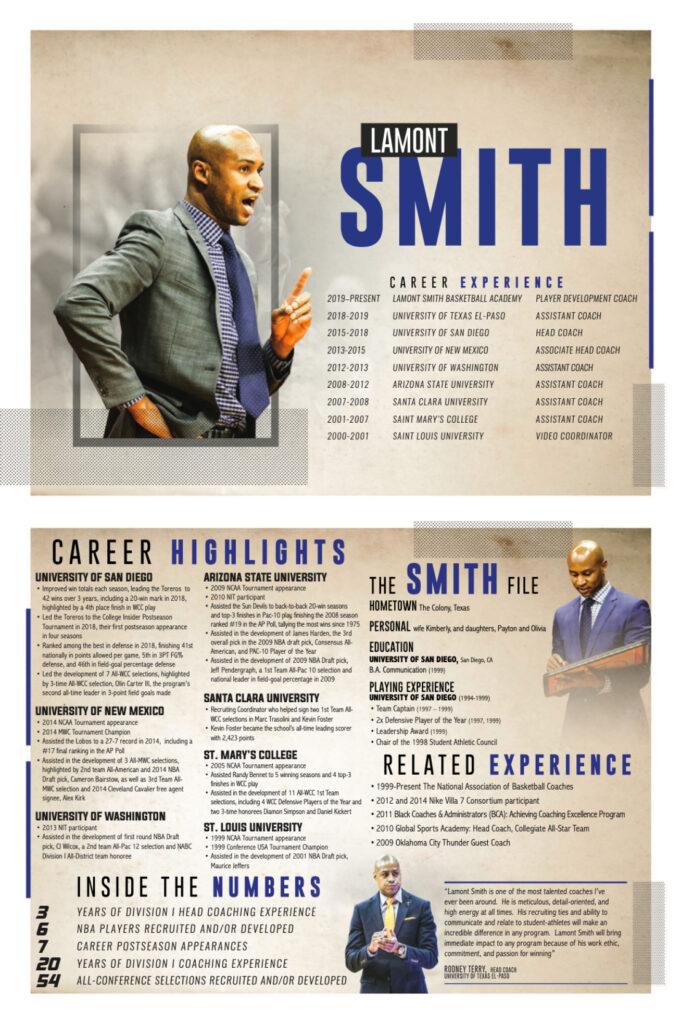
Here’s a general developmental framework we use at LSBA, built from 20 years of watching players move through every level of the game:
Ages 8–10 — Foundation Phase. Rec ball is appropriate and beneficial. Focus should be on enjoying the game, learning basic rules, and building coordination. If your child is showing unusual passion and focus, supplemental 1-on-1 skills sessions can begin here — but there’s no urgency.
Ages 10–12 — The Inflection Point. This is the most critical window. Players who are fundamentally sound at this stage have a measurable advantage when they reach middle school and high school tryouts. If your child is dominating rec leagues and craving more structure, this is the right time to evaluate a club environment seriously.
Ages 12–14 — The Commitment Window. By this stage, most players who will go on to play high school varsity ball are already in structured club programs. This doesn’t mean it’s too late — it means the urgency is real. The gap between a player who’s had two years of fundamental development coaching and one who hasn’t is visible on the court.
Ages 14+ — High School Prep Mode. The conversation shifts from “should we do club?” to “are we preparing specifically for high school tryouts and beyond?” At this stage, individualized 1-on-1 training becomes as important as team play.
The 5-Point Player Readiness Checklist
This is where most guides stop giving you anything useful. They say “when your child seems ready” or “when they show interest.” That’s not a standard — that’s a guess.
We’ve built this checklist from the same criteria our coaches use during player evaluations. If your child checks four or five of these boxes, they’re ready for structured San Diego club basketball teams. If they check two or three, targeted skills sessions are the smarter first step.
1. Defensive Stance & Footwork
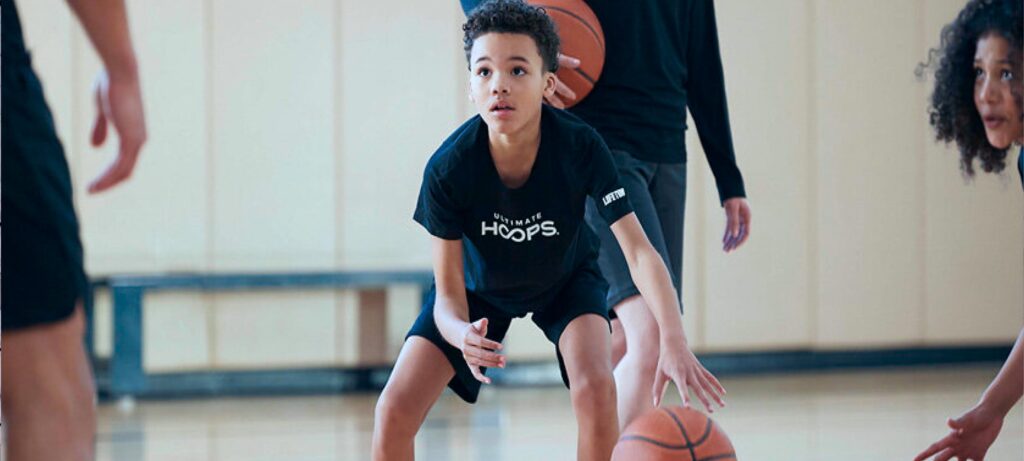
Can your player get into and hold a proper defensive stance — knees bent, weight on the balls of their feet, hands active — for a full defensive possession? Footwork is the foundation of everything in basketball. A player who can’t move their feet correctly will struggle in any structured program, regardless of their offensive talent.
2. Weak-Hand Dribbling
Ask your child to dribble the length of the court with their non-dominant hand, at game speed, without losing control. This single drill tells you more about a player’s development level than almost anything else. If they can’t do it, that’s not a disqualifier — it’s a clear signal that fundamental skill work needs to come before club competition.
3. Coachability & Attention to Detail
Does your child respond positively to correction? Can they receive feedback, adjust, and apply it in the same session? Club basketball moves fast. Coaches at this level don’t have time to re-teach the same concept five times. A player who is coachable will develop exponentially faster than a more talented player who isn’t.
4. Competitive Drive Without Ego
There’s a difference between a player who wants to win and a player who needs to be the star. Club basketball requires accountability, teamwork, and the ability to play a role. If your child gets frustrated when they’re not the primary ball-handler, that’s a character development opportunity — and it’s one we address directly at LSBA — but it’s worth noting before making the jump.
5. Physical & Mental Stamina for Structured Practice
Club practices are longer, more demanding, and more structured than rec sessions. Can your child maintain focus and effort for 90 minutes of deliberate, repetitious skill work? This isn’t about physical size — it’s about mental readiness. Players who are ready for this environment actually thrive in it because the structure gives them something to push against.
“It’s as if my 11 and 12-year-olds are getting high-level college coaching every session with Lamont!” — LSBA Parent
What San Diego Parents Need to Know About This Decision
Southern California is one of the most competitive youth basketball markets in the country. The players your child will face at high school tryouts in San Diego — whether they’re aiming for Cathedral Catholic, La Jolla High, or Torrey Pines — have often been in structured club programs since age 10 or 11.
That’s not said to create panic. It’s said to give you an accurate picture of the landscape.
The good news? San Diego’s year-round training climate means there’s no off-season. Your player can develop 12 months a year, which is a genuine advantage if you use it correctly. The window to close a development gap is real — but it requires the right environment, not just more games.
More games in a rec league won’t fix a footwork problem. More reps done right will.
If you’re weighing the difference between club teams and individual training as a starting point, our breakdown of 1-on-1 vs. group basketball training can help you decide which path fits your player’s current needs.
The One Thing That Separates Players Who Make the Jump Successfully
After 20 years of working with players at every level — from San Diego rec leagues all the way to Division I programs and the NBA — the single biggest predictor of a successful transition isn’t athleticism. It’s not even skill level.
It’s whether the player has been taught to value the process over the result.
Players who’ve been coached to care about how they move, how they defend, and how they communicate with teammates adapt to club basketball quickly. Players who’ve only been coached to score — or worse, never really been coached at all — struggle with the accountability that structured programs demand.
This is exactly why we emphasize fundamental development in a repetitive, detail-oriented way at every level of our program. It’s not just about growing their game. It’s about building the habits and character that make the next level possible.
Conclusion & Next Steps
If your child is between 10 and 14, playing in a San Diego rec league, and you’re starting to feel like they’ve outgrown it — trust that instinct. It’s usually right.
Use the 5-Point Checklist above to get an honest read on where they are. If they’re checking four or five boxes, the timing is right. If they’re at two or three, a focused skills session is the smarter first move before jumping into full club competition.
Either way, the worst thing you can do is wait another season and hope the rec league environment develops them. It won’t. That’s not what it’s designed for.
We’d love to help you figure out the right path for your player. Schedule a player evaluation with our coaching staff, and we’ll give you an honest, no-pressure assessment of where your child stands and what they need next.
Frequently Asked Questions
When should we switch from recreational basketball to AAU or club?
Most players are ready to make this move between ages 10 and 12, but age alone isn’t the deciding factor. Look for a player who has solid defensive footwork, can handle the ball with both hands at game speed, and responds well to structured coaching. If those markers are present, the transition to a club environment will accelerate their development significantly.
What is the difference between middle school and high school basketball?
The jump is significant. High school basketball is faster, more physical, and far more tactically demanding. Coaches at the high school level expect players to already understand defensive positioning, off-ball movement, and how to execute plays under pressure. Players who’ve spent their middle school years in structured club programs — building fundamentals through repetition — are far better prepared for that environment than those coming straight from rec leagues.
How many hours a week should a 12-year-old play basketball?
Quality matters more than quantity at this age. Three to five hours of structured, skill-focused training per week is generally more valuable than ten hours of unstructured pickup or rec league play. The goal at 12 is to build correct habits — footwork, ball-handling, reading the defense — through deliberate repetition. More hours of poor mechanics just make the habits harder to correct later.